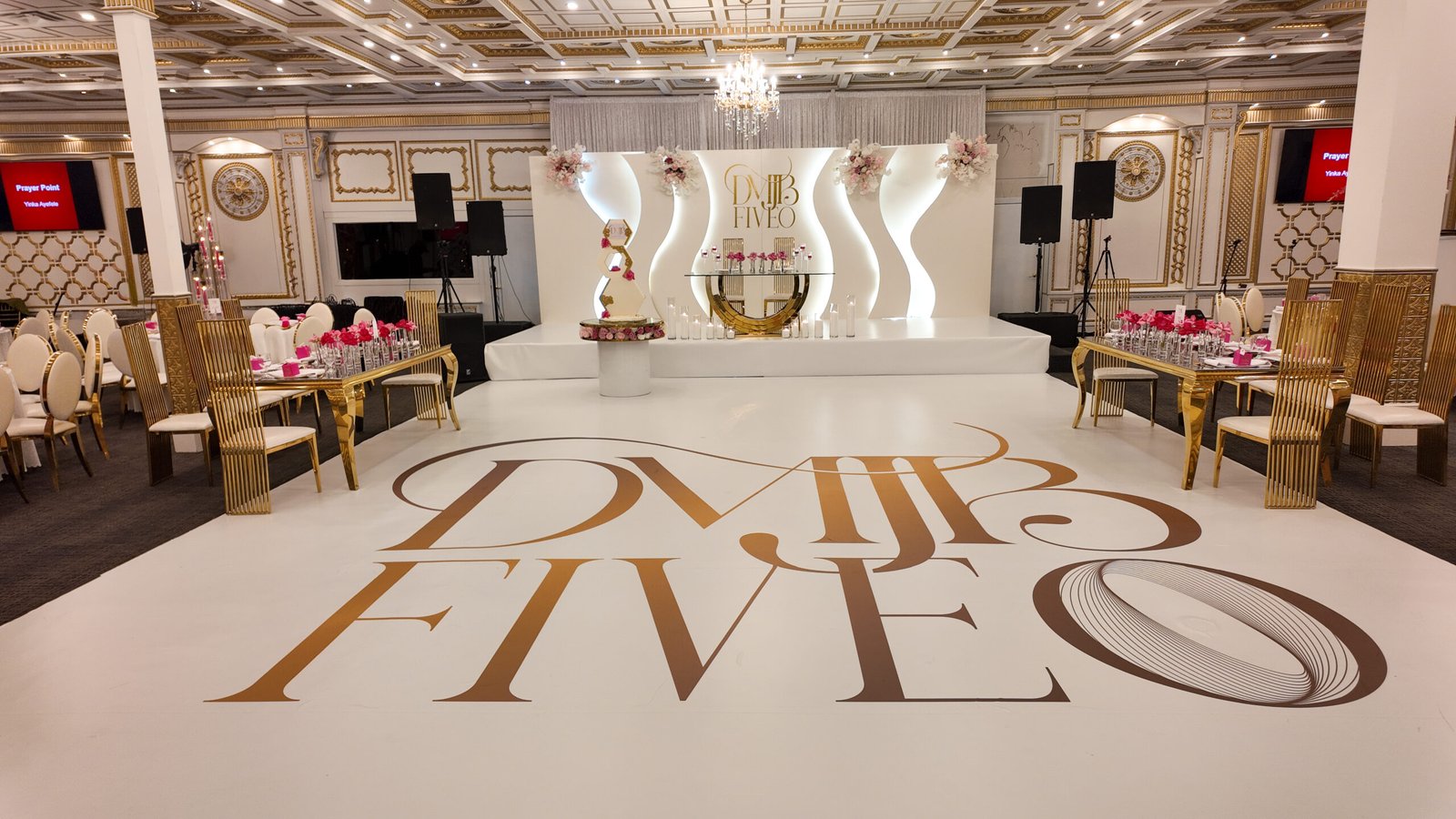

When an event runs smoothly, it often feels effortless. Guests arrive on time, food is served without delay, speeches flow naturally, and the celebration ends on a high note. What most people don’t see is the carefully planned event timeline working quietly behind the scenes.
Whether you’re hosting a wedding, reception, corporate event, birthday, or cultural celebration, a clear timeline is one of the most important tools for success. It keeps everyone aligned, prevents rushed moments, and allows the event to unfold naturally instead of feeling chaotic.
Understanding how an event timeline works from setup to wrap-up helps hosts plan with confidence and enjoy the experience rather than manage it.
Why Event Timelines Matter
An event timeline is not about strict control. It’s about creating structure that supports flexibility. Without a timeline, small delays can quickly snowball into major disruptions. With one, even unexpected changes are easier to manage.
A well-planned timeline ensures that:
- Guests arrive comfortably
- Key moments happen at the right time
- Food service doesn’t interrupt important activities
- The event feels relaxed rather than rushed
At venues like Moonlight Banquet Hall, timelines are used as guides to support flow not rigid schedules that remove spontaneity.
The Setup Phase: Preparing the Space
Every successful event begins long before the first guest arrives. The setup phase lays the foundation for everything that follows.
This stage includes arranging seating, confirming layouts, preparing designated areas, and ensuring the space reflects the event’s purpose. Setup timing depends on the size and complexity of the event, but starting early allows room for adjustments without pressure.
A thoughtful setup ensures clear walkways, comfortable seating, and logical placement of key areas such as dining, dance floor, or presentation space. When setup is rushed, small issues often become noticeable during the event.
Early preparation creates calm and calm sets the tone for the entire celebration.
Guest Arrival: Setting the First Impression
Guest arrival is the first live moment of the event, and it plays a major role in how the event feels from the start.
A good timeline allows guests to arrive gradually rather than all at once. This reduces congestion and gives people time to settle in, socialize, and feel comfortable.
Lighting, music, and layout should already be set before guests arrive. When the space feels ready and welcoming, guests immediately sense that the event is well organized.
Arrival timing also affects punctuality. A clear arrival window helps ensure the event begins smoothly without delays.
Transition Into the Main Event
Once guests have arrived, the event transitions into its core moments. This could be a ceremony, formal welcome, opening speech, or simply the start of dining.
This transition should feel natural, not abrupt. A good timeline allows a short buffer between arrival and the main event so guests don’t feel rushed.
Clear pacing at this stage helps everyone stay engaged and focused, especially during more formal events like weddings or corporate gatherings.
Dining and Hospitality Timing
Food service is one of the most timeline-sensitive parts of any event. Poor timing here can disrupt speeches, entertainment, or guest comfort.
A strong event timeline aligns dining with the flow of the event. Meals are served when guests are settled, not during key moments. Breaks between courses allow conversation without long gaps.
When dining is timed well, it becomes part of the experience rather than an interruption.
At Moonlight Banquet Hall, food service is coordinated with the overall event timeline to ensure smooth pacing and guest comfort.
Key Moments: Speeches, Performances, and Highlights
Most events include special moments, speeches, performances, presentations, or cultural rituals. These moments deserve focused attention.
The timeline should allow space for these highlights without rushing or crowding them together. When too many key moments are packed into a short window, guests can become overwhelmed or disengaged.
Spacing these moments thoughtfully allows each one to feel meaningful. Guests remain attentive, and the event maintains its emotional rhythm.
Transition Into Celebration Mode
As formal moments conclude, many events shift into a more relaxed or celebratory phase. This transition is just as important as the earlier ones.
Lighting, music, and layout often change subtly during this phase. A good timeline allows these shifts to happen smoothly without stopping the event.
Guests should feel the energy change naturally moving from dining and speeches into socializing or dancing without confusion.
This is where timelines support the atmosphere as much as logistics.
Managing Event Flow During the Celebration
Once the event is fully underway, the timeline becomes more flexible but still relevant. It helps guide pacing without dictating every moment.
Guests move between conversations, seating, and activity areas. The timeline ensures nothing important is missed while allowing the celebration to feel spontaneous.
Experienced venues quietly monitor flow during this phase, making small adjustments as needed to keep things running smoothly.
Preparing for Wrap-Up
Just as arrivals need structure, so does the ending of an event. A clear wrap-up plan ensures the event concludes gracefully rather than abruptly.
Guests should have time to say their goodbyes without feeling rushed. Music, lighting, and atmosphere can gently signal that the event is coming to a close.
When wrap-up is planned well, guests leave with positive impressions rather than confusion or fatigue.
The Wrap-Up Phase: Ending on a High Note
Wrap-up isn’t just about cleaning up it’s about how the event is remembered.
A smooth ending allows guests to depart comfortably and hosts to feel satisfied rather than stressed. Behind the scenes, the venue team manages breakdown and cleanup so hosts don’t have to.
This final phase completes the event experience and leaves lasting memories for both guests and hosts.
Why Timelines Reduce Stress for Hosts
One of the biggest benefits of a clear event timeline is peace of mind. When you know what’s happening and when, you don’t need to constantly check the clock or worry about what comes next.
Timelines allow hosts to be present and enjoy their event. They also help vendors and venue teams stay aligned, reducing miscommunication.
A good timeline doesn’t remove flexibility, it creates it.
How Moonlight Banquet Hall Supports Event Timelines
At Moonlight Banquet Hall, timelines are treated as essential planning tools. From early setup to final wrap-up, the team works with hosts to ensure each phase flows naturally.
Layouts, dining, key moments, and transitions are coordinated to support comfort and enjoyment. Adjustments are handled quietly so the event feels effortless from the guest’s perspective.
This behind-the-scenes planning is what allows celebrations to feel smooth and stress-free.
Ready to Plan an Event With a Smooth Timeline?
If you’re planning an event in Calgary and want it to flow effortlessly from setup to wrap-up, Moonlight Banquet Hall is here to help.
Book a visit today to tour the venue, discuss your event timeline, and see how thoughtful planning and professional coordination can turn your event into a smooth, memorable experience from start to finish.